The Hidden Impact of Cockpit Noise on Flight Safety
Cockpit noise is more than just loud. Learn how excessive noise affects pilot communication, fatigue, and flight safety, and how RayTalk aviation communication solutions with ANR technology help create a clearer cockpit.
For many pilots, cockpit noise simply feels like part of the job. After enough flight hours, the constant engine roar, propeller vibration, and airflow become familiar background sound. It is easy to think, “That is just what flying sounds like.”
However, the real issue is not whether the cockpit is loud. It is the hidden cost that continuous noise creates over time. Even with an aviation headset on, cockpit noise can still break through, affecting what pilots hear and how clearly they communicate.

For flight schools, private pilots, and commercial operators, excessive cockpit noise can affect communication, increase pilot workload, contribute to fatigue, and ultimately influence both flight safety and operational efficiency.
How Loud Is Too Loud in the Cockpit?
Noise is not defined by volume alone. Any sound that interferes with communication, concentration, or hearing can become a problem in the cockpit. They can be considered noise.
To put cockpit noise into perspective:
- Normal conversation: around 60 dB
- Light piston aircraft: typically 90 to 100 dB
- Open cockpit aircraft and some older aircraft: often above 100 dB
Unlike brief exposure on the ground, pilots experience these noise levels for extended periods.
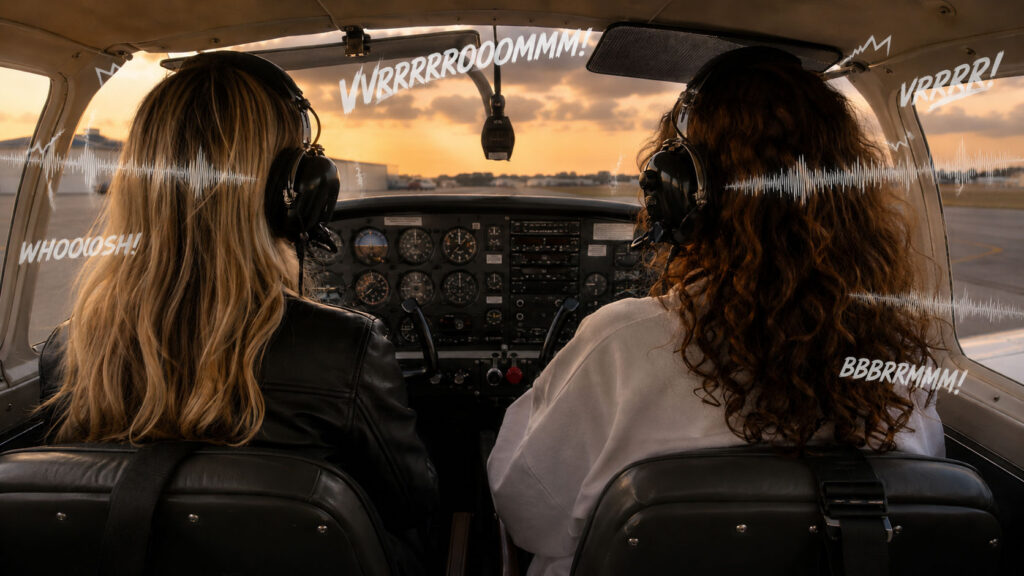
Whether conducting training flights, cross country trips, aerial patrols, or daily operations, pilots must continuously monitor radio traffic, communicate with air traffic control, scan flight instruments, and make critical decisions.
When the brain has to work harder simply to hear and understand information, mental workload increases. That extra effort may seem small at first, but over time it becomes one of the most overlooked challenges in aviation.
Which Aircraft Have the Loudest Cockpit?
Cockpit noise varies depending on the aircraft, but every aircraft presents its own challenges.
Open cockpit aircraft offer little protection from wind noise, exposing pilots directly to high speed airflow throughout the flight. Piston aircraft generate continuous engine and propeller noise, creating the familiar low frequency sound that many general aviation pilots experience every day.
Turboprop aircraft typically produce even stronger low frequency noise because of their larger propellers and higher power output. During longer flights, this can contribute to listening fatigue and reduced comfort.

That means the more low-frequency noise your aircraft generates, the more important it is to have a noise cancelling авиационная гарнитура that can handle the challenge. The right headset for pilot helps reduce engine vibrations and low-frequency cockpit noise, keeping the cockpit audio environment cleaner and clearer from takeoff to landing.
Whether you fly a training aircraft, a private airplane, or a helicopter, prolonged exposure to cockpit noise deserves attention. Selecting the right aviation headphone use is not simply about comfort. It is an important investment in communication, concentration, and long term hearing protection.
The Hidden Costs of Cockpit Noise
Many pilots become so accustomed to cockpit noise that they no longer notice its effects. Unfortunately, the consequences remain.
Excessive cockpit noise can contribute to:
- Increased pilot fatigue
- Missed or misunderstood radio calls
- Higher cognitive workload
- Long term hearing damage
- Reduced situational awareness
On their own, these effects may seem small. Together, they can increase the risk of human error, especially when the workload is high. Cockpit noise affects everyone involved. A missed radio call or misunderstood ATC instruction can quickly interrupt the flow of the flight and lead to serious mistakes.
Why More Pilots Are Choosing ANR Aviation Headsets?
Cockpit noise can never be eliminated completely, but it can be significantly reduced.
Modern ANR headsets use Active Noise Reduction technology to reduce continuous low frequency cockpit noise before it reaches the pilot’s ears. Compared with traditional passive protection, an aviation headset with ANR helps create a quieter environment that supports clearer communication and reduces listening fatigue.
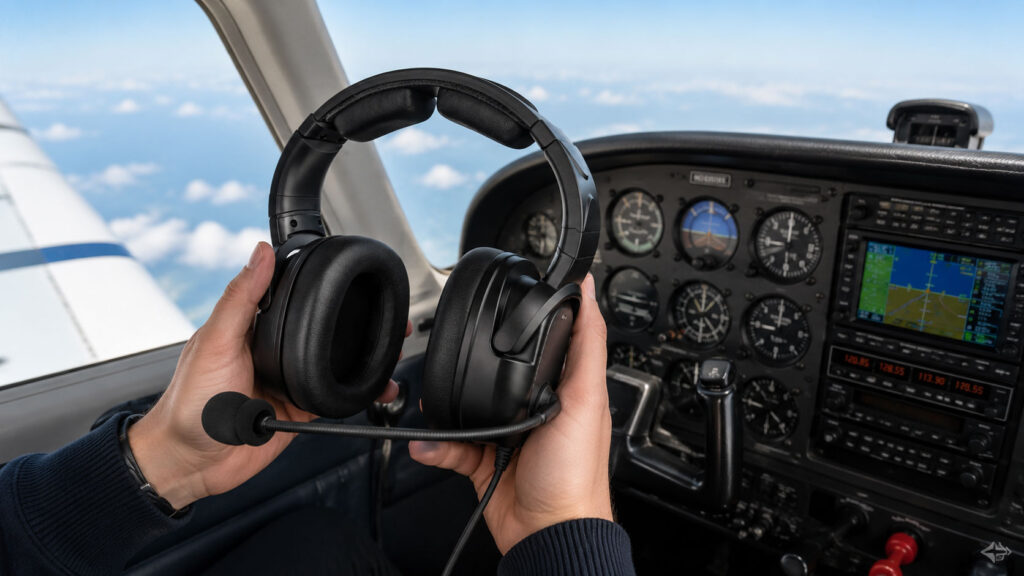
Whether you are looking for a light aviation headset for long cross country flights, a helicopter headset for demanding rotary operations, or a noise cancelling aviation headset for everyday flight training, the right aviation communication solution can make every flight more comfortable and more productive.
Many pilots also prefer the aviation headsets with Bluetooth, allowing them to connect compatible devices while maintaining clear communication with the aircraft intercom and radio system.
A Quieter Cockpit Supports Safer Flying
Reducing cockpit noise is about far more than comfort. It helps pilots hear more clearly, communicate more effectively, and stay focused throughout every stage of flight.
For flight schools and aviation operators, investing in good aviation headsets can also improve training efficiency, reduce pilot fatigue, protect hearing, and contribute to more consistent day to day operations.

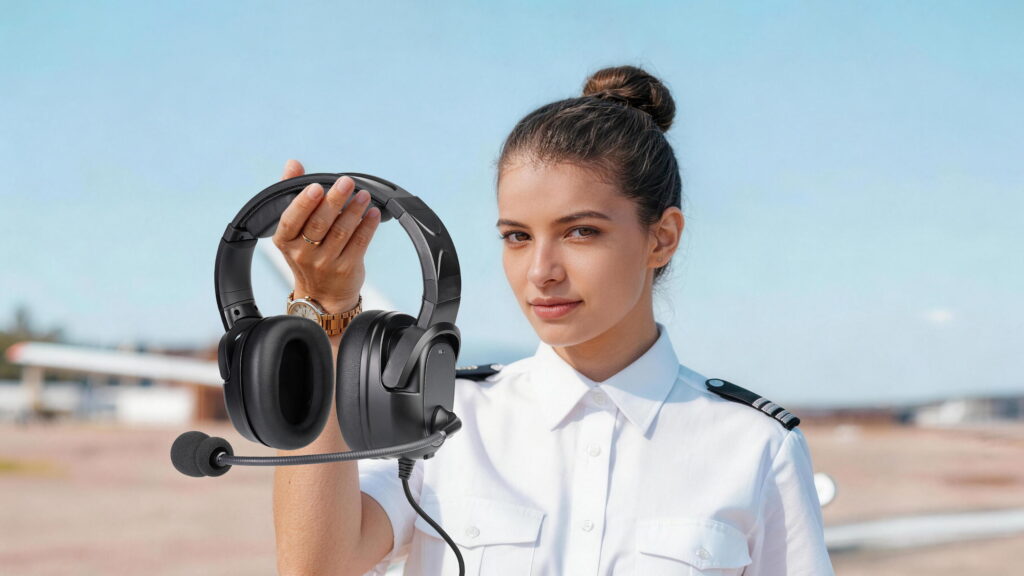
At RayTalk, we understand that reliable communication is essential for every flight. That is why we provide one-stop aviation communication solutions designed around the real needs of pilots, flight schools, and aviation operators. Especially with our latest PH-700A Victor ANR aviation headset, we continue to push the boundaries of noise reduction technology, helping pilots achieve clearer communication and a more focused flight experience.
Our solutions include a wide range of aviation headphones, from passive noise reduction models to advanced ANR headsets with Bluetooth control modules, as well as helicopter headsets. Beyond headsets, we also offer a complete range of accessories and adapter cables to make equipment replacement, maintenance, and system integration easier.
Whether it is improving communication clarity during flight training or supporting daily aviation operations, RayTalk is committed to helping pilots stay connected with reliable, flexible, and efficient communication solutions.
A Quieter Cockpit Is More Than Comfort. It Is an Investment in Safer Flying.
Looking for the right aviation communication solution? Contact our team to discuss your aircraft, operating environment, and communication needs. We will help you find the headsets that best fits your mission.