Beyond Radios: Why Businesses Need PoC(Push-to-Talk Over Cellular)
From retail teams to event crews, more businesses are turning to PoC. But why? Learn what PoC is, why it’s gaining attention, and who it’s for.
Communication has always been essential for teams working in the field.
Whether it is a security team responding to an incident, a construction crew coordinating across a large site, or a logistics team managing daily operations, every second matters when people need to exchange information. For decades, traditional two-way radios have been the trusted communication tool for many industries. They provide instant Push-to-Talk communication, simple operation, and reliable voice communication.
But as businesses become more connected and teams become more distributed, traditional radio systems are facing new challenges.
With PoC, businesses can leverage modern technology to enhance communication capabilities beyond traditional methods.
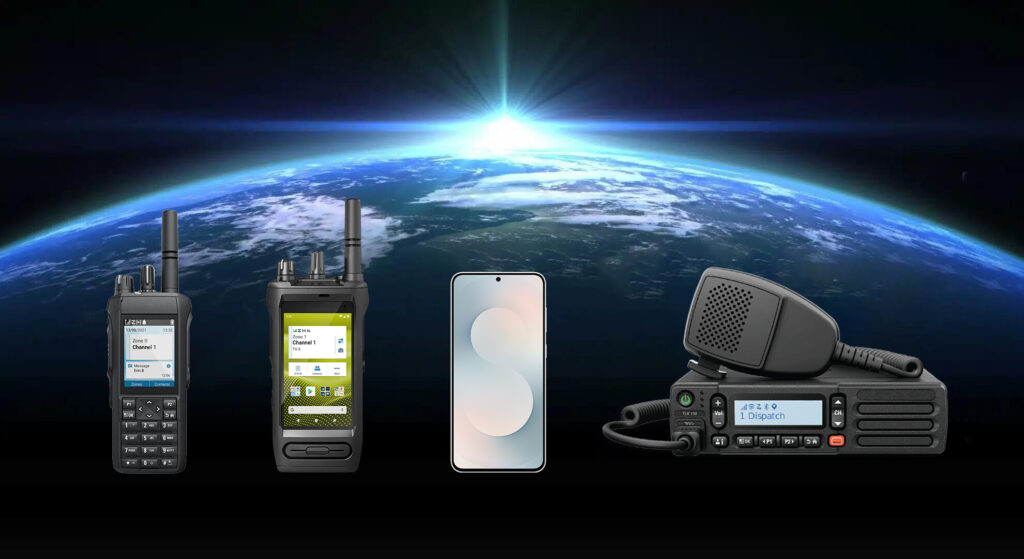
Teams today need more than just a voice connection. They need communication that can reach across locations, connect more users, and support the way modern businesses operate.
The question is no longer whether Push-to-Talk communication is still needed. The question is whether the network behind that communication can keep up with today’s business demands.
This is where Push-to-Talk communication comes in. Push-to-Talk over Cellular is not replacing Push-to-Talk. It’s replacing the network behind Push-to-Talk, ensuring teams have the connectivity they need.
Traditional Radios Have Limits
Traditional radios have played an important role in professional communication for many years.
They are still widely used in industries where instant communication is required. However, many organizations are discovering that traditional radio networks may not always meet the needs of modern operations.
One of the biggest limitations is coverage.
Traditional radio systems usually depend on specific frequencies, repeaters, or dedicated infrastructure. When teams expand to different cities, regions, or remote locations, communication coverage can become more difficult to manage.
For example:
- A security company managing multiple properties may need communication across different sites.
- A transportation company may need drivers and dispatch teams connected across a large operating area.
- A construction company may need workers communicating across multiple locations.
In these situations, traditional radios can become limited by their network range.
Another challenge is spectrum licensing.
Traditional two-way radios may require spectrum licenses, adding licensing costs and regulatory requirements. As communication needs grow, managing frequencies and compliance can make the system more costly and complex.
The final consideration is scalability. Adding more users or expanding communication areas often requires additional infrastructure investment, frequency planning, and system management.
For growing businesses, communication should not become more complicated as the team becomes larger. This is why more organizations are exploring modern communication solutions that provide wider coverage and greater flexibility.
What Is PoC Communication?
PoC stands for Push-to-Talk over Cellular. Instead of relying on traditional radio networks, PoC communication uses cellular networks such as LTE, 4G or 5G to deliver instant Push-to-Talk communication.
A PTToC system usually includes:
- PoC radios or smart communication devices
- Push-to-Talk applications
- Cellular network connectivity
- Cloud-based management platforms
- Communication accessories
Unlike traditional radio systems that depend on local radio infrastructure, PTToC solutions can connect users wherever cellular coverage is available. This means a team in one city can communicate instantly with another team hundreds or thousands of miles away without building additional radio infrastructure.
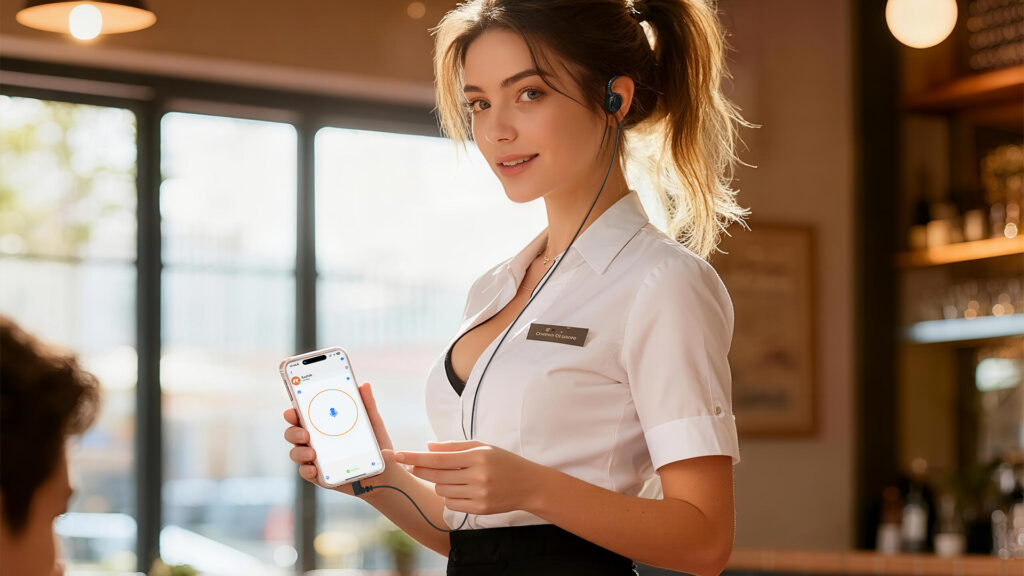
For businesses operating across multiple locations, this creates a more flexible and scalable communication environment.
How Push-to-Talk Over Cellular Works
The basic idea behind Push-to-Talk over Cellular is simple.
A user presses the PTT button on a PTToC radio or communication device, speaks, and the voice message is transmitted through a cellular network to other authorized users.
The process includes:
- User presses the Push-to-Talk button.
- Voice data is transmitted through the cellular network.
- The PoC platform processes and delivers the communication.
- Team members receive the message instantly.
The user experience remains familiar. Press the button. Talk. Receive a response. The difference is the network supporting that communication.
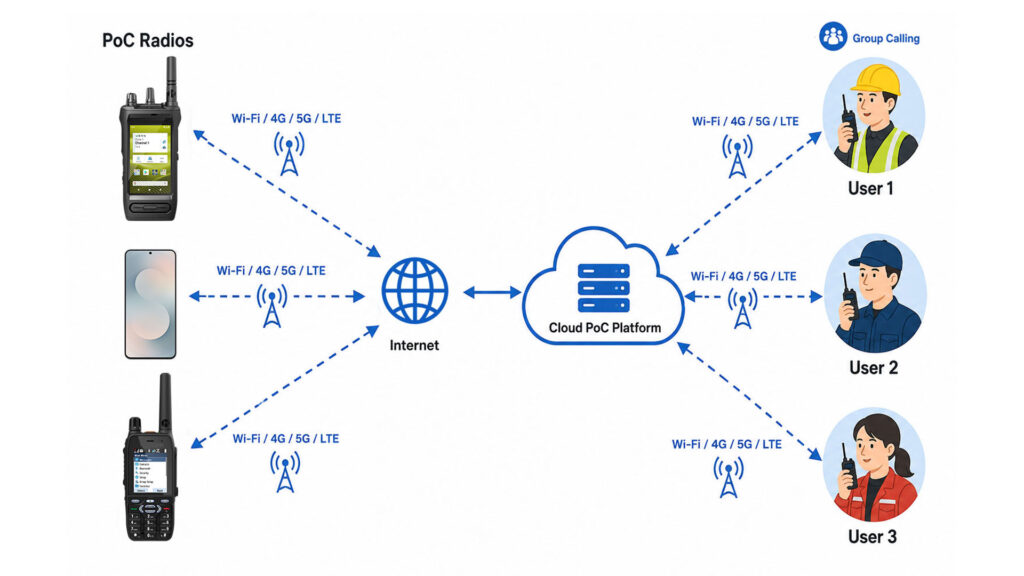
Traditional radios rely on radio frequencies and dedicated infrastructure. PoC communication uses cellular connectivity and cloud-based platforms to create a wider communication network.
This allows businesses to maintain the simplicity of traditional Push-to-Talk while gaining modern features such as group communication, GPS location services, multimedia sharing, and centralized management.
Why Businesses Choose PoC Communication
Businesses are not upgrading to PoC simply because it is newer technology. They are upgrading because their communication challenges have changed.
Wider Communication Coverage
One major advantage of PoC communication is expanded coverage. Because PoC devices use cellular networks, teams can communicate beyond the limits of traditional radio systems. PoC users can communicate with other PoC users across cities, regions, and even countries, as long as their devices are connected to the same PoC service.
This is especially valuable for:
- Multi-site operations
- Transportation networks
- Large industrial projects
- Regional security teams
Easier Team Management
Modern organizations often have more users, more locations, and more complex operations. A Push-to-Talk over Cellular system makes it easier to manage communication groups, users, and devices through centralized platforms.
Managers can organize teams based on departments, locations, or projects. For users, PoC communication is simple: press the PTT button and start talking. As long as a compatible smartphone can run the PoC app and the user has an active subscription, they can connect to the same PoC service without specialized radio infrastructure.
More Flexible Communication
Traditional radios are mainly designed for voice communication. They also typically require dedicated radio hardware and communication infrastructure.
PoC works differently. Instead of relying on a dedicated radio network, PoC uses cellular networks and a PoC platform to connect users. The communication device can be a dedicated PoC radio, smartphone, tablet, or other supported device, depending on the service and platform.
In simple terms, the device is the tool you use to communicate, while the PoC service is what connects you to other users. This flexibility makes PoC easier to adapt to different teams and working environments. Users can simply press the PTT button or on-screen PTT control and start talking, without needing to build their own dedicated radio network.
PTToC solutions can support additional functions depending on the platform and device, including:
- GPS tracking
- Group calling
- Multimedia messaging
- Emergency features
- Device management
For frontline teams, this means communication is no longer limited to sending a voice message. It becomes part of a connected workflow that helps teams respond faster and operate more efficiently.
Who Benefits From PoC Communication?
Push-to-Talk over Cellular(PoC) communication can support many industries where fast and reliable communication is important. However, the reason these teams choose PTToC is not the same.
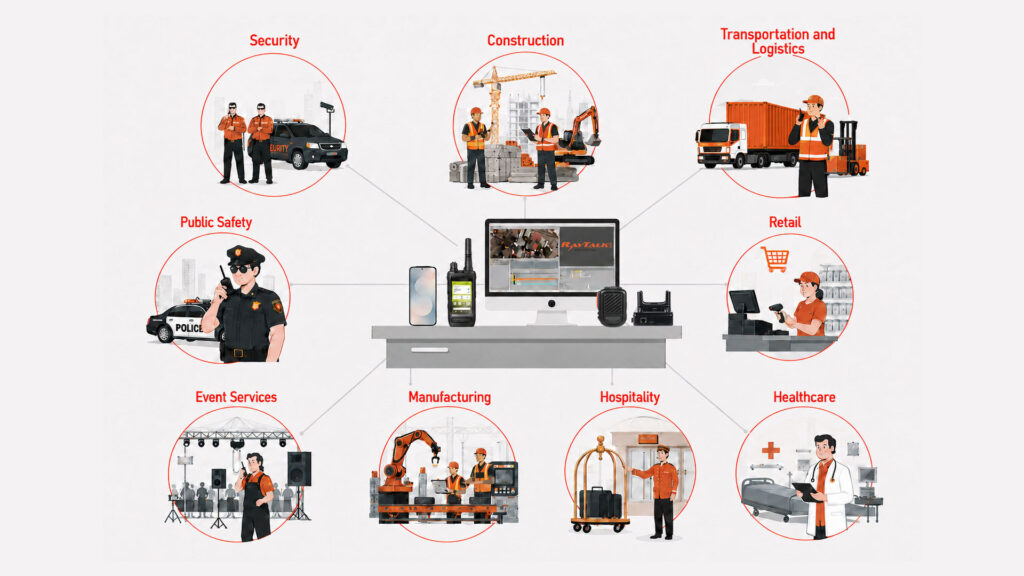
Security Teams
Security professionals often need instant communication across large areas.
PoC radios allow security teams, supervisors, and control centers to stay connected even when they operate across different locations.
Construction Teams
Construction sites often involve large working areas, multiple crews, and changing environments.
PTT communication helps workers coordinate tasks and share updates without being limited by short-range radio coverage.
Transportation and Logistics Teams
Drivers, dispatchers, and operation managers need constant communication to maintain efficiency.
Push-to-Talk over Cellular(PTToC) solutions help connect mobile workers with central teams across wider operating areas.
Public Safety and Emergency Teams
Emergency situations require fast information exchange.
PoC communication can provide an additional communication option for teams that need flexible connectivity and rapid coordination.
The key point is that PoC is not designed for one specific industry. It is designed for organizations where communication speed, coverage, and coordination directly affect daily operations.
Beyond the Device: The PoC Ecosystem
A successful PoC solution is not only about choosing a PoC radio. It is about building a complete communication ecosystem.
A complete PoC ecosystem may include:
- PoC radios
- Mobile applications
- Cloud platforms
- Dispatch software
- Speaker microphones
- PTT accessories
- Tactical headsets
- Charging solutions
The right accessories also play an important role.
In many professional environments, users need communication equipment that matches their working conditions.
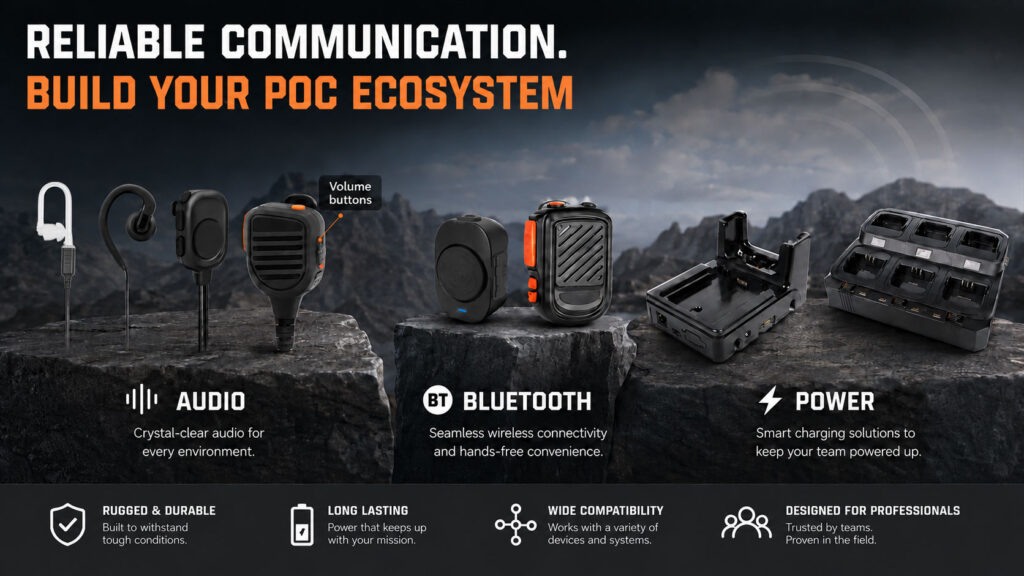
Security officers may need discreet communication accessories that allow them to stay connected without drawing attention. Industrial workers may require rugged speaker microphones built to handle demanding conditions. Meanwhile, field teams may benefit from hands-free communication solutions that keep them connected while leaving their hands free to focus on the job.
This is why communication accessories are an important part of PoC deployment. The device provides the connection, but the ecosystem determines how effectively teams can use that connection in real-world situations.
PoC Is the Next Step in Team Communication
Communication technology continues to evolve. From analog radios to digital radios, and now from traditional radio networks to cellular-based communication, businesses are constantly looking for better ways to keep teams connected.
PoC communication provides a practical upgrade path. It keeps the familiar Push-to-Talk experience while removing many limitations of traditional radio networks.
PoC is not replacing Push-to-Talk. It’s replacing the network behind Push-to-Talk. For organizations looking to improve team communication, increase operational flexibility, and prepare for future growth, PoC offers a smarter way forward.
Start Your PoC Communication Upgrade Journey
Understanding PoC is the first step.
In the following blogs of this series, we will explore:
- How PoC communication works in real-world applications
- PoC vs traditional radios: key differences
- How to choose the right PoC solution
- PoC radios, apps, and communication ecosystems
- How different industries can build better communication systems
Stay connected with RayTalk as we explore the future of Push-to-Talk communication.